LAMINATE SHEETS TO UPDATE YOUR KITCHEN
November 2, 2016
HOW TO MAINTAIN LAMINATE SHEETS
November 14, 2016
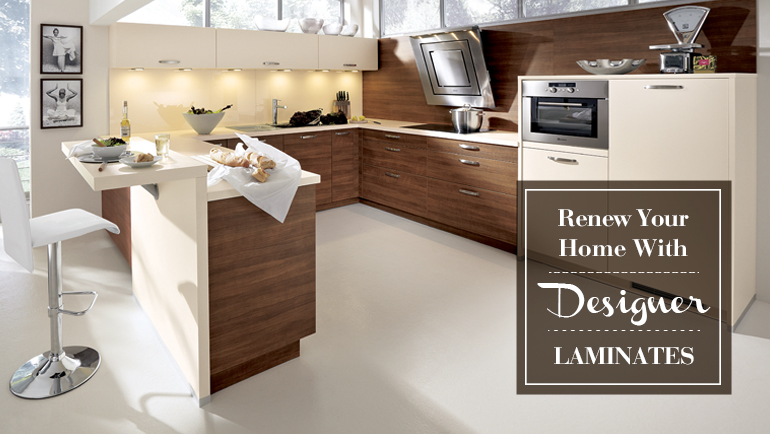
High Pressure Laminates (HPL) are among the most widely used surface materials in modern interiors. From modular kitchens and wardrobes to office furniture and wall panels, HPL offers an ideal balance of durability, aesthetics, and affordability.
As homeowners and designers look for materials that combine style with long-term performance, High Pressure Laminates continue to be a preferred choice for residential and commercial spaces.
In this guide, we’ll explore what HPL is, how it differs from Low Pressure Laminates (LPL), its common applications, and why it remains a popular surface solution in 2026.
What Are High Pressure Laminates (HPL)?
High Pressure Laminates are decorative sheets manufactured by compressing multiple layers of kraft paper and decorative paper under high heat and pressure. The process creates a durable, rigid surface that can be bonded to substrates such as MDF, plywood, and particle board.
The resulting laminate sheet offers excellent resistance to scratches, stains, impact, and daily wear, making it suitable for furniture and interior applications.
HPL vs LPL: What’s the Difference?
Although both High Pressure Laminates (HPL) and Low Pressure Laminates (LPL) are used for decorative surfaces, they differ in manufacturing processes and performance.
| Feature | HPL | LPL |
|---|---|---|
| Manufacturing Pressure | High | Low |
| Durability | Excellent | Moderate |
| Scratch Resistance | High | Medium |
| Impact Resistance | High | Moderate |
| Common Applications | Countertops, furniture, wall panels | Cabinets, residential furniture |
| Lifespan | Longer | Moderate |
For high-traffic areas and demanding environments, HPL is generally the preferred option.
How Are High Pressure Laminates Made?
The manufacturing process involves:
- Multiple layers of kraft paper saturated with phenolic resin.
- A decorative paper layer containing the desired design or pattern.
- A protective overlay layer for durability.
- Compression under high heat and pressure.
This process creates a strong and stable laminate sheet capable of withstanding everyday use.
Benefits of High Pressure Laminates
Exceptional Durability
HPL is designed to handle daily wear and tear, making it suitable for homes, offices, retail spaces, and hospitality environments.
Wide Range of Designs
Modern laminate collections include:
- Woodgrain finishes
- Marble-inspired patterns
- Stone textures
- Metallic effects
- Solid colours
- Matte finishes
- High-gloss laminates
Easy Maintenance
Most HPL surfaces can be cleaned with a soft cloth and mild cleaning solution, making maintenance simple and convenient.
Cost-Effective
Compared to natural wood, stone, or other premium materials, laminates offer excellent value while maintaining a stylish appearance.
Consistent Appearance
Unlike natural materials, laminates provide uniform colour and pattern consistency across large surfaces.
Common Applications of High Pressure Laminates
HPL is used across a wide range of residential and commercial environments.
Kitchen Countertops and Cabinets
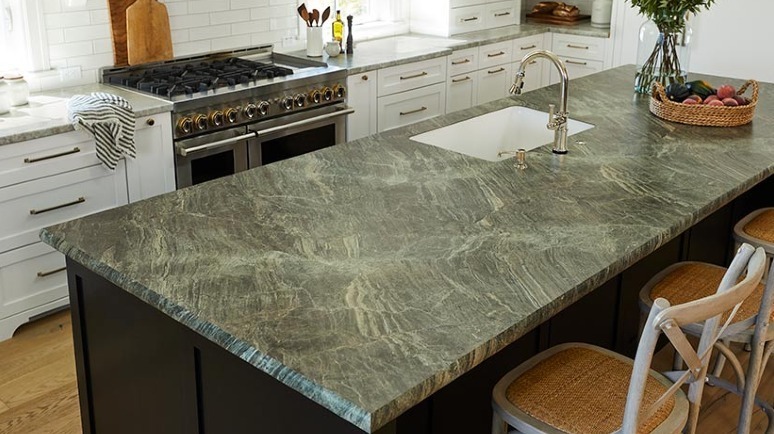
Its durability and stain resistance make HPL a popular choice for modular kitchen surfaces.
Furniture
Tables, wardrobes, storage units, and office furniture frequently use laminate finishes to enhance appearance and durability.
Wall Panels
Decorative laminates are increasingly used to create feature walls and modern interior accents.
Commercial Spaces
Retail stores, hotels, restaurants, educational institutions, and healthcare facilities often use HPL because of its long-lasting performance.
Workstations and Office Interiors
Office desks, meeting rooms, reception counters, and storage systems commonly feature laminate surfaces.
Types of High Pressure Laminates
General Purpose HPL
Suitable for standard horizontal and vertical surface applications, including furniture and cabinetry.
Postforming Laminates
These laminates can be heated and bent around edges, making them ideal for countertops, worktops, and furniture with curved profiles.
Backer Laminates
Backer laminates are applied to the reverse side of panels to provide balance and structural stability.
Specialty Laminates
Specialty laminates are designed to meet specific performance requirements, including:
- Fire-resistant laminates
- Chemical-resistant laminates
- Anti-bacterial laminates
- High-wear laminates
- Fingerprint-resistant laminates
Also Read this: Best Laminates For Kitchen Cabinets: Types, Benefits, And Design Ideas
HPL Design Trends in 2026
The latest laminate trends focus on realistic textures and contemporary aesthetics.
Popular choices include:
- Natural oak and walnut finishes
- Marble-inspired laminates
- Concrete-look surfaces
- Ultra-matte laminates
- Textured woodgrain designs
- Sustainable laminate collections
These designs allow homeowners and designers to create stylish interiors without compromising practicality.
Conclusion
High Pressure Laminates continue to be one of the most versatile and reliable surface solutions available today. Their durability, affordability, design flexibility, and ease of maintenance make them suitable for furniture, kitchens, offices, wall panels, and commercial environments.
Whether you’re renovating a home, designing a workspace, or selecting materials for a large-scale project, HPL offers a practical combination of performance and visual appeal.
High Pressure Laminates (HPL) are decorative surface materials created by compressing multiple layers of kraft paper and decorative paper under high heat and pressure. They are widely used for furniture, kitchen cabinets, wall panels, countertops, and commercial interiors due to their durability and aesthetic appeal.
The primary difference lies in the manufacturing process and durability. HPL is produced under higher pressure and temperature, making it stronger and more resistant to scratches, impacts, and wear. LPL (Low Pressure Laminates) are typically used for lighter residential applications where extreme durability is not required.
Yes, HPL is known for its exceptional durability. It offers resistance to scratches, stains, impacts, and everyday wear, making it a popular choice for high-traffic areas in homes and commercial spaces.
HPL sheets are moisture-resistant but not completely waterproof. When installed correctly on suitable substrates and properly sealed, they perform well in kitchens, bathrooms, and other areas exposed to occasional moisture.