
Formica Sheets: Features, Benefits, Types, and Design Ideas
August 17, 2026
Wood Laminate Sheets: Designs, Benefits, and Applications
September 8, 2026
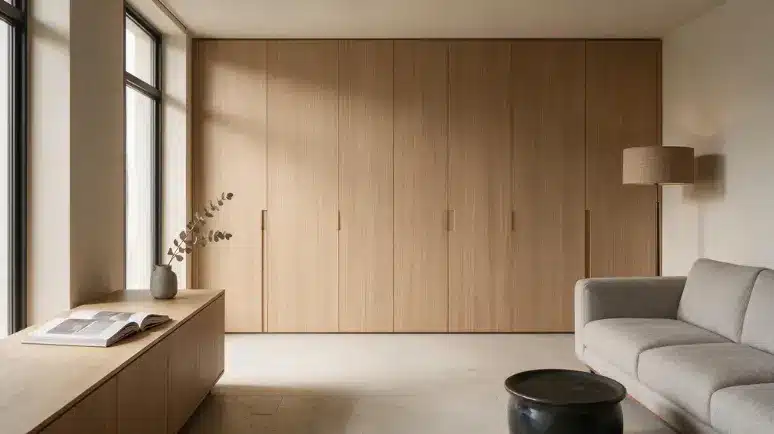
One thing worth noting is that modern interiors are increasingly moving toward surfaces that add gloss. Essentially, decorators and owners now want materials that look good and work well with casual furniture and cabinets. Here, Fenix has become an interesting surface solution for contemporary interiors, leading to the conclusion that it addresses the core problem.
Known for its sophisticated appearance and tactile finish, Fenix can bring a clean, architectural quality to kitchens, wardrobes, furniture, workspaces, and other interior applications. Its understated look makes it particularly suitable for spaces where minimalism, functionality, and material quality need to work together.
Compared to other methods, unlike traditional cosmetic surfaces, which are heavily based on visual motifs, Fenix is often noted for its exceptional matte appearance and soft touch. The data strongly suggests that this gives furniture a more transparent and contemporary quality and allows decorators to experiment with different colours and combinations.
The main point is that whether you are planning a modernistic kitchen, installing office furniture, or contriving a minimalist wardrobe, understanding the characteristics and finishes of Fenix Laminate can help you choose the right surface for the project.
What Is Fenix and What Makes It Different?
Fenix is a technologically advanced material designed for interior applications where appearance, touch, and everyday functionality all matter. Its extremely matte surface gives furniture a sophisticated look without the strong reflections associated with high-gloss finishes.
The surface is also known for its soft tactile quality. This makes it particularly appealing for furniture that people interact with frequently, including kitchen cabinets, doors, desks, wardrobes, and storage units.
A Distinctive Super-Matte Appearance
This is useful because one of the first things you notice about Fenix is its low-toned, reflective view, maintaining simplicity and clarity. One approach is that, instead of reflecting the light around the space, the surface absorbs much of the visual brilliance and creates a calmer and more discerning aesthetic.
To put it simply, this particularity works particularly well in present-day interiors. Stated simply, a dark surface.
The super-matte finish also allows the material to sit comfortably alongside other finishes. It can be combined with wood, stone, metal, glass, or textured materials without competing excessively for attention.
Soft Touch and Everyday Interaction
After analyzing the data, it is clear that Fenix’s tactile timbre is another important part of its charm, and it allows us to push the boundaries of what we know. The data strongly suggests that in unornamented language, the surface is designed to be smooth and pleasant to touch, which is ideal for furniture that is often used.
Think about a kitchen where cabinet doors are opened several times a day or an office where a desk is used continuously. In these situations, the surface is experienced through both sight and touch.
This combination of visual simplicity and tactile quality gives Fenix a distinct position among contemporary surface materials.
Key Benefits of Fenix Laminates
This is useful because the collection of Fenix laminates extends beyond their appearance while keeping things clear and accessible. In plain language, for interior designers, the material can offer aesthetic and practical properties that work well in demanding daily living environments.
Matte Finish With a Premium Look
We should consider that a matte surface may appear without complicated patterns or decorative details.
Is the aim to fabricate things more easily? To break this down, this is particularly useful in minimalist interiors where each piece must contribute to the overall design. Basically, an unproblematic Matt Closet may seem more intentional when coupled with unblemished creases, fabrics, and complementary natural materials.
The absence of strong reflections can also help create a visually calmer room. Instead of the surface becoming a dominant feature, it becomes part of the overall architectural design.
Resistance to Everyday Wear
One advantage of this is that furniture surfaces are protected from regular wear and tear, cleaning, and general day-to-day use while keeping things clear and accessible. The method allows you to restore surfaces; it is suited for daily indoor applications, making it suitable for areas where surfaces must keep their shine over time. Performance may vary depending on the product, installation method, substrate, and application. If you’re having trouble when selecting equipment for a special project, you will always refer to the manufacturer’s technical information.
Easy-to-Maintain Surface
Maintenance is an important consideration when selecting materials for kitchens, offices, and other frequently used spaces.
The smooth surface of Fenix makes routine cleaning relatively straightforward when the appropriate care instructions are followed. This can be especially useful in kitchens, where cabinetry and other surfaces may need frequent attention.
A material that combines an elegant appearance with practical maintenance requirements can simplify everyday interior care.
Reduced Visual Glare
Glossy surfaces can reflect windows, lighting fixtures, and other elements in a room. While this can be desirable in certain designs, it may not suit every interior.
Fenix’s extremely matte appearance provides a much quieter visual effect. This can be particularly attractive in minimalist spaces, where designers want the furniture to appear calm and integrated rather than highly reflective.
Where Can Fenix Be Used?
The versatility of Fenix allows it to be considered for a variety of interior applications. Its visual character works particularly well when the design requires clean surfaces, subtle colors, and a contemporary material palette.
Fenix for Modern Kitchens
Kitchens are one of the most natural applications for Fenix. Cabinet doors, drawer fronts, islands, and other suitable surfaces can benefit from its matte appearance and tactile quality.
Something different about this is that a monochromatic kitchen with Fenix cabinets can create a “dosa-of-the-artwork” tone. The main point is that, for example, the obscure paries can be balanced with an unaccented stone work plate; the warm wooden components can soften the overall composition.
For a smaller kitchen, lighter Fenix colors can help maintain a bright and uncluttered appearance. In larger spaces, darker shades can create depth and make an island or cabinet wall stand out.
Combining Fenix With Natural Materials
One of the most effective ways to use Fenix in a kitchen is to combine it with contrasting natural materials.
Consider matte cabinetry paired with a stone countertop, timber shelving, or a natural wood floor. The contrast between the smooth matte surface and organic materials can prevent a minimalist kitchen from feeling too uniform.
Metal hardware can introduce another layer of contrast. Brushed metal handles, for instance, can add subtle definition without overwhelming the clean appearance of the cabinets.
Fenix for Wardrobes and Storage
Bedrooms benefit from surfaces that create a calm visual environment. This makes Fenix a suitable option for wardrobes, storage units, and furniture fronts.
A large wardrobe finished in a soft neutral shade can blend into the architecture of the room, while darker tones can create a stronger feature wall.
Because wardrobes often occupy substantial visual space, choosing a low-reflective finish can help prevent the room from feeling visually busy.
Fenix for Offices and Workspaces
The strength of this approach is that the inside of the office is increasingly adopting the rationale of lifestyle, without making it overly complicated. The findings clearly indicate that clean lines, born materials, and discreet surfaces can feel more demanding and welcoming.
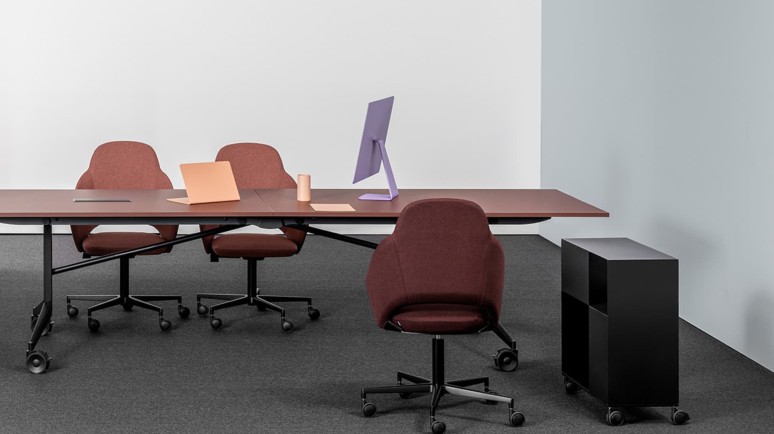
Fenix can be used for desks, storage systems, cabinetry, meeting-room furniture, and reception areas, depending on the product specification.
A dark matte reception desk can create a strong first impression, while lighter cabinetry can help maintain a bright and open workplace.
Fenix Colors, Textures, and Design Possibilities
The primary contribution is that the choice of surface is a technological performance while maintaining methodological clarity and accessibility. It is noteworthy that, from an analytical perspective, color, texture, and their relationship can change what you perceive in a space.
Neutral Shades for Minimalist Interiors
In contrast to alternative approaches, the main component lies in Felix’s neutral glosses, which are intrinsically versatile, maintain methodological clarity and ease, and give designers a practical basis. The fundamental premise is that the technological framework shows second skins, easygoing greys, warm neutrality, white impressions, and glowing vendors can support the understructure of a sensitive interior without turning visually.
A notable advantage is that an electroneutral palette helps the introduction of other fabrics—wood, stone, and ice.
Dark Shades for Statement Furniture
One thing worth noting is that dark surfaces can create a warm architectural presence. This underscores the fact that one approach is that an island of ember preparation or a deep clay cabinet can become a focal point without wanting an advanced practice.
It’s important to understand that the key is to pair the darker surfaces with sufficient lighting and lighter materials: light parries and natural wood.
Two-Tone Surface Combinations
Using two Fenix colors can add depth to furniture design. For example, designers might use one shade for upper kitchen cabinets and another for lower cabinets.
The same approach can work with wardrobes and office furniture. A darker base combined with a lighter upper section can visually break up a large furniture unit.
Two-tone combinations are particularly effective when the selected colors have a clear relationship rather than simply being different for the sake of contrast.
How to Choose the Right Fenix Surface
Selecting the right surface becomes easier when the decision starts with the requirements of the space rather than the appearance alone.
Consider the Application First.
Start by identifying where the surface will be used. A kitchen cabinet, office desk, wardrobe, and commercial reception counter may have different functional requirements.
Once the application is clear, check the product’s specifications and recommended uses. This helps ensure that the selected material is appropriate for the intended environment.
Match the Surface With Your Interior Style
Think about the materials already present in the room.
If the space contains warm timber flooring, a neutral Fenix color can create a balanced combination. If the room already includes several bold materials, a simple matte surface may help keep the overall design controlled.
Lighting should also be considered. A color can look noticeably different under natural daylight, warm artificial lighting, and cool white lighting.
Physical samples are therefore useful before making a final selection.
Think About Maintenance and Daily Use
A beautiful surface needs to work with the lifestyle of the space.
In a kitchen, consider how frequently the cabinets will be cleaned and touched. In an office, think about how the desk and storage surfaces will be used throughout the day.
Understanding the cleaning and maintenance requirements before installation can help preserve the appearance of the surface.
Fenix Design Ideas for Contemporary Interiors
Fenix can be used as either a subtle background element or a major design feature. The result depends largely on how it is combined with other materials.
Minimalist Kitchen With Matte Cabinetry
The methodology prescribes that a minimalist kitchen can leverage the Felix barrier in a singular neutral shade, coupled with a simple worktop and built-in appliances.
A significant advantage lies in keeping the underlying cloth to keep the surface the main component of the view, while maintaining methodological clarity and accessibility.
Fundamentally, open ledges in natural wood can enhance warmth and prevent a space from becoming too monochrome.
Modern Wardrobe With Integrated Handles
For bedrooms, Fenix can help create a streamlined wardrobe design. Large uninterrupted doors in a matte finish can make the storage appear more integrated with the wall.
Integrated or minimal handles can reinforce the clean aesthetic. A contrasting wood panel or warm flooring can add enough variation to make the room feel inviting.
Sophisticated Office Furniture
In a contemporary office, Fenix can be used on desks and storage units to create a consistent material language.
A dark desk surface can be combined with lighter storage and neutral walls, while timber details can introduce warmth. This creates a professional setting without making the workspace feel overly corporate.
Feature Furniture and Reception Areas
Fenix can also be used selectively rather than across an entire interior.
A reception counter, sideboard, media unit, or central island can become a focal point when finished in a contrasting color. Keeping the surrounding materials relatively simple allows the furniture to attract attention without making the room feel crowded.
Fenix vs. Traditional Decorative Surfaces
Choosing between different surface materials depends on the priorities of the project. Traditional decorative laminates can provide extensive choices in colors, patterns, textures, and applications.
Fenix stands out particularly for its combination of an extremely matte appearance and tactile surface quality.
This makes it especially attractive for designers working on contemporary interiors where a refined, understated appearance is important.
However, the best material is always the one that suits the project’s specific requirements. Budget, application, substrate, installation, maintenance, color selection, and technical specifications should all be considered before making a final decision.
For projects where tactile quality and a sophisticated matte appearance are major priorities, Fenix can provide an interesting surface direction.
FAQ’s
Fenix laminate is commonly considered for interior applications such as kitchen cabinetry, wardrobes, furniture, desks, storage systems, doors, and other suitable surfaces. The exact application depends on the specific product and technical specifications.
Yes, Fenix can be used for kitchen cabinetry and related furniture applications when the selected product is suitable for the intended use. Its matte appearance and tactile surface make it particularly popular for contemporary kitchen designs.
This is useful because Fenix is designed for daily use, and routine cleaning can commonly be done according to the manufacturer’s recommended directions, without making it overly complicated. It’s important to understand that you should always check specific cleaning and upkeep guidelines.