Bench Tops: A Practical Guide for Modern Kitchens and Interiors
February 10, 2026
Formica Sheets: Understanding Uses, Finishes, and Applications
February 24, 2026
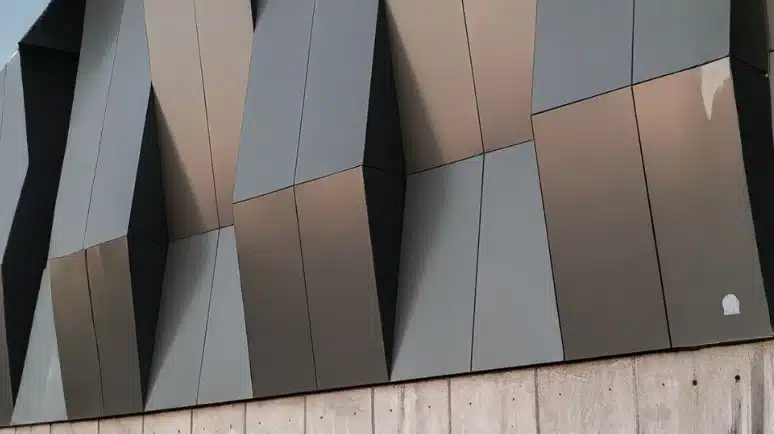
In the past, metal belonged in utility areas, workshops, and factories. These days, it can be found in store interiors, boutique hotels, and living rooms. The shift has nothing to do with industrial design. It’s all about the subtle depth, texture, and richness that genuine metal adds to a surface.
This change is reflected in decometal surfaces. They use real metal rather than putting a metallic appearance onto laminate. As soon as light passes across the surface, you can see the difference. It appears to be living. Patina and slight tonal variations over time provide character instead of wear.
That changing quality is part of the allure for designers. The surface is not stationary. It grows.
What Decometal Actually Is
Decometal initially appears to be solid metal. It is actually a thin layer of actual metal adhered to a backing material for support. Compared to entire metal sheets, this design makes the surface lighter, more flexible, and more simpler to install.
Thin metal foils, usually made of aluminum, brass, copper, or stainless steel, are the first step in the manufacturing process. These are adhered to a stable substrate that permits the application and shaping of the material.
To produce aged or oxidized finishes, the surface can then be brushed, embossed, perforated, or chemically treated. A protective seal is applied to some finishes to reduce oxidation and increase longevity.
Because genuine metal is used, small variations in tone and texture are normal. Many designers see these variations as part of the material’s authenticity rather than imperfections.
The Role of DCM Decometal GmbH
Real metal surfaces for interior and architectural purposes have been developed in large part by the German producer DCM Decometal GmbH. Their strategy combines contemporary manufacturing techniques with ancient metalworking sensibility, opening up previously unfeasible applications for metal.
Their materials can be found in retail settings, hospitality areas, elevator interiors, wall panels, and furniture surfaces.
Designers are frequently drawn to these surfaces because they feel handcrafted rather than produced. Their tactile presence evolves with time due to their hand-finished textures and natural patina development.
Formica Decometal in Everyday Interiors
Formica provides Formica® Decometal, a product that blends high-pressure laminate construction with real metal foil. The end product is a surface that retains the appearance of metal while offering the utility and durability of laminate solutions.
It is appropriate for hectic settings because of its balance. Surfaces for store displays, feature walls, reception counters, and restaurant interiors frequently need to be elegant but durable.
The material can be finished to suit a variety of design styles, including aged effects, embossed textures, and brushed metals.
Where Decometal Makes the Most Sense
Decometal tends to work best when used with restraint. In homes, it often appears as a highlight rather than a dominant feature. A backsplash can catch changing daylight throughout the day. Wardrobe panels can add depth to a minimalist bedroom. A bar front or feature wall can introduce contrast without making the room feel cold.
Commercial spaces place different demands on materials. Durability matters, but visual presence does too. Hotel lobbies, retail displays, elevator interiors, and office branding walls benefit from surfaces that remain interesting even with heavy use.
Instead of looking worn, they often gain character.
How Metal Surfaces Change the Feel of a Space
In contrast to printed coatings, real metal reacts differently to light. Early in the day, a brushed surface could seem subdued and soft, but later in the day, it might appear slightly reflecting. A more muted effect is produced by softer lighting, whereas directional lighting highlights texture.
Various finishes elicit varying feelings. Brushed metals have a sleek, modern vibe. Depth is introduced with embossed textures. Oxidized coatings add a worn-in appearance that works well in hospitality environments. Light or sound can flow through perforated panels, which can also provide patterns.
Additionally, metal complements wood, stone, glass, and matte surfaces naturally. The room doesn’t feel unduly industrial thanks to these pairings.
Living With Decometal: Care and Aging
Despite their durability, decometal surfaces should still be handled like genuine metal.
It is easy to clean. Usually all you need is a gentle cloth and a little soap. It is advised to stay away from abrasive pads since they can harm the finish.
Over time, the surfaces of brass and copper may become patinated. While sealed coatings limit the transformation, other projects purposefully embrace this aging process.
Although resistance is increased by protective coatings, scratches can still occur from heavy or sharp items.
Although extended exposure to moisture should be avoided unless the material is designed for damp conditions, normal indoor humidity is not an issue.
Although it is rarely required, polishing can change the desired finish.
Final Thoughts
Real metal may be incorporated into interior spaces without the weight and rigidity of solid sheets thanks to decometal surfaces. They add depth that synthetic finishes frequently lack thanks to their authenticity, tactile feel, and slow aging.
When used carefully, they add characteristics that change over time. Daily use, ambient materials, and light all affect how the surface is viewed. This subtle development contributes to the allure of actual metal surfaces in modern interior design.
FAQs
Decometal gets its true depth, texture, and natural light reflection from a thin layer of real metal attached to a supporting surface. Decometal, in contrast to printed metallic laminates, gradually acquires subtle tonal variances that give it a more genuine and less artificial feel.
Real metal surfaces for interior and architectural applications are produced by the renowned German producer DCM Decometal GmbH. When designers choose a handcrafted, tactile feel, these materials can be found in wall panels, elevators, retail settings, hospitality areas, and custom furniture.
Yes, Formica Decometal is robust enough for high-traffic areas like restaurant counters, retail displays, and reception counters because it blends real metal foil with laminate manufacturing. It has the strength and functionality required for daily use along with the aesthetic appeal of metal.